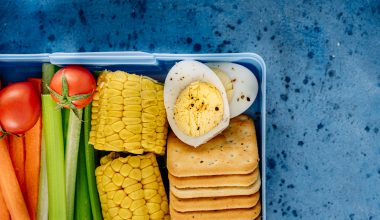
Introduction to Blood Sugar Balancing Foods
If you’ve ever experienced sudden energy crashes after eating, strong sugar cravings in the afternoon, or unexplained mood swings, your blood sugar may be playing a bigger role than you think. Understanding Blood Sugar Balancing Foods is one of the simplest and most powerful ways to take control of your energy, appetite, and long-term health.
Modern diets—especially those high in refined carbs and sugar—can cause rapid spikes and crashes in blood glucose levels. Over time, this can affect metabolism, increase fat storage, and even contribute to chronic conditions.
The good news? You don’t need extreme diets or complicated rules. You just need to understand the right foods that naturally stabilize your body.
According to research from Harvard Health Publishing, choosing the right carbohydrates and balancing them with fiber, protein, and healthy fats can significantly improve glucose control:
https://www.health.harvard.edu/diseases-and-conditions/healthy-eating-for-blood-sugar-control
In this guide, we’ll break down everything you need to know about Blood Sugar Balancing Foods, including what to eat, what to avoid, and how to build simple meals that keep your energy steady all day.
What Are Blood Sugar Balancing Foods?
Blood Sugar Balancing Foods are foods that help maintain steady glucose levels in your bloodstream. Instead of causing sharp spikes followed by crashes, they provide slow, stable energy.
These foods typically have the following qualities:
- High in fiber
- Rich in protein
- Contain healthy fats
- Low glycemic impact
- Minimally processed
When combined correctly, these foods help your body avoid insulin spikes and maintain consistent energy levels throughout the day.
How Blood Sugar Balancing Foods Affect Your Body
When you eat refined carbs like white bread or sugary snacks, your body quickly breaks them down into glucose. This leads to:
- Fast energy spike
- Sudden insulin release
- Energy crash afterward
In contrast, Blood Sugar Balancing Foods work differently:
- They slow digestion
- Reduce glucose spikes
- Improve insulin sensitivity
- Keep you full longer
A study summarized by Healthline explains how fiber-rich foods improve blood sugar response and reduce post-meal spikes:
https://www.healthline.com/nutrition/16-ways-to-lower-blood-sugar
Blood Sugar Balancing Foods List (Core Foods You Should Eat)
Here is a practical Blood Sugar Balancing Foods list you can start using immediately:
1. Fiber-Rich Blood Sugar Balancing Foods
- Oats
- Lentils
- Beans
- Chia seeds
- Flaxseeds
2. Protein-Based Blood Sugar Balancing Foods
- Eggs
- Chicken breast
- Greek yogurt
- Fish (salmon, sardines)
- Tofu
3. Healthy Fat Blood Sugar Balancing Foods
- Avocados
- Olive oil
- Nuts (almonds, walnuts)
- Seeds
4. Low Glycemic Blood Sugar Balancing Foods
- Leafy greens (spinach, kale)
- Broccoli
- Berries
- Sweet potatoes
- Quinoa
Comparison Table of Blood Sugar Balancing Foods
| Food Category | Examples | Blood Sugar Impact | Benefits |
|---|---|---|---|
| High Fiber Foods | Oats, beans, chia seeds | Low spike | Improves digestion & fullness |
| Protein Foods | Eggs, chicken, fish | Very low spike | Builds muscle & reduces cravings |
| Healthy Fats | Avocado, nuts, olive oil | No spike | Supports hormones & brain health |
| Low Glycemic Carbs | Quinoa, berries, sweet potatoes | Moderate | Steady energy release |
Blood Sugar Balancing Foods for Breakfast
Breakfast is one of the most important meals for stabilizing blood sugar.
Best Breakfast Options:
- Oatmeal with chia seeds and berries
- Eggs with avocado toast (whole grain)
- Greek yogurt with nuts and flaxseeds
- Protein smoothie with spinach and almond butter
Why Breakfast Matters
A balanced breakfast prevents:
- Mid-morning crashes
- Sugar cravings
- Overeating later in the day
Blood Sugar Balancing Foods for Lunch and Dinner
Lunch Ideas:
- Grilled chicken with quinoa and vegetables
- Lentil salad with olive oil dressing
- Salmon with roasted sweet potatoes
Dinner Ideas:
- Stir-fried tofu with vegetables
- Baked fish with broccoli
- Chicken and vegetable soup
These meals are designed to combine protein, fiber, and healthy fats in every bite.
Blood Sugar Balancing Foods You Should Avoid
To get the best results, limit or avoid:
- Sugary drinks (soda, sweet juices)
- White bread and pastries
- Candy and desserts
- Highly processed snacks
- Fast food meals
These foods cause rapid spikes and crashes in blood sugar levels.
Simple Blood Sugar Balancing Foods Meal Plan (1 Day Example)
Breakfast
- Oatmeal + chia seeds + blueberries
- Green tea
Lunch
- Grilled chicken + quinoa + spinach salad
Snack
- Handful of almonds + apple
Dinner
- Salmon + roasted broccoli + sweet potato
This simple structure keeps your energy stable throughout the day.
Blood Sugar Balancing Foods and Weight Loss
One of the biggest benefits of Blood Sugar Balancing Foods is weight control.
When blood sugar is stable:
- You feel less hungry
- Cravings decrease
- Fat storage reduces
- Energy improves
Unstable blood sugar, on the other hand, often leads to overeating and frequent snacking.
Common Mistakes with Blood Sugar Balancing Foods
Many people make mistakes even when trying to eat healthy:
- Eating “healthy” sugary smoothies
- Skipping protein in meals
- Relying too much on carbs
- Ignoring portion control
- Not combining food groups properly
Balance is the key—not restriction.
Blood Sugar Balancing Foods for Energy and Focus
Stable blood sugar improves:
- Mental clarity
- Productivity
- Mood stability
- Focus and concentration
This is why many high-performance professionals follow balanced nutrition plans rich in Blood Sugar Balancing Foods.
Practical Tips to Maximize Blood Sugar Balancing Foods
- Always combine carbs with protein
- Add fiber to every meal
- Avoid eating carbs alone
- Stay hydrated
- Eat at regular intervals
- Choose whole foods over processed foods
Final Thoughts on Blood Sugar Balancing Foods
Understanding and applying Blood Sugar Balancing Foods in your daily life is one of the most effective ways to improve your health naturally. You don’t need strict diets or complicated rules. You just need smarter food choices that support your body’s natural rhythm.
When you consistently eat balanced meals, you’ll notice:
- More stable energy
- Fewer cravings
- Better mood
- Easier weight management
Start small. Replace one meal a day with a balanced plate, and build from there. Your body will respond faster than you think.